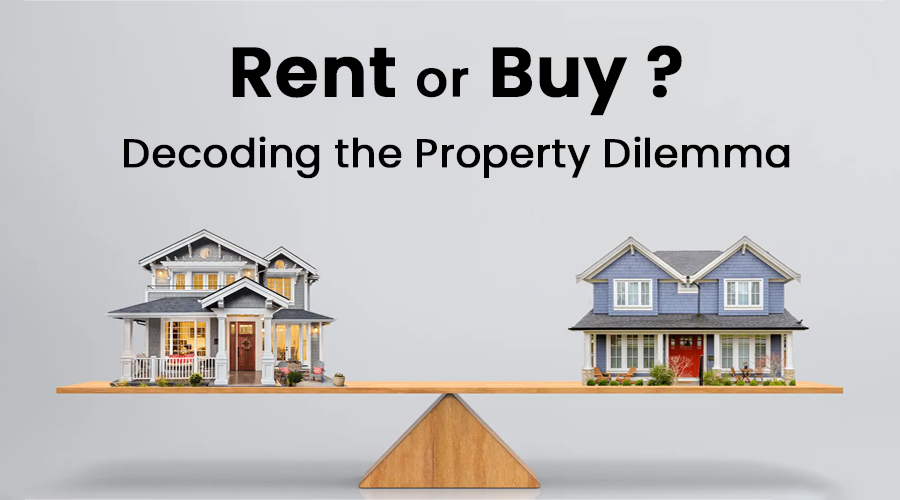
For many people, deciding whether to rent or buy a home is one of the biggest financial decisions they’ll ever make. It’s not just about where you’ll live — it’s about how you’ll live, how you’ll spend, and how you’ll build your future wealth.
With rising home prices, fluctuating interest rates, and evolving lifestyle choices, the age-old “rent vs. buy” debate feels more complicated than ever. So, how do you know which option is right for you? Let’s break it down.
The Case for Renting: Flexibility and Freedom
Renting often gets a bad rap, but in today’s world, it offers several advantages that can be hard to ignore.
1. Flexibility for Life’s Changes
If you’re not sure where you’ll be in the next few years — maybe your career could take you to another city, or you’re just not ready to settle down — renting gives you the freedom to move without the burden of selling a property. A short-term lease is much easier to break than a mortgage.
2. Lower Upfront Costs
Buying a home typically requires a significant down payment, closing costs, and other fees. When renting, you usually only need a security deposit and your first month’s rent. This lower entry cost makes renting ideal for those who want to save or invest elsewhere.
3. Maintenance-Free Living
If the sink leaks or the heater breaks, renters just call the landlord. Homeowners, on the other hand, foot the bill for every repair — and those costs can add up quickly. Renting offers peace of mind (and savings) by eliminating surprise maintenance expenses.
4. Avoiding Market Risk
Real estate markets can be unpredictable. Renting shields you from property value drops, fluctuating interest rates, and the costs of ownership during economic downturns.
The Case for Buying: Stability and Long-Term Wealth
Buying a home is often seen as a cornerstone of financial success — and for good reason.
1. Building Equity Over Time
Each mortgage payment brings you one step closer to owning your home outright. Instead of paying rent to a landlord, you’re investing in your own future. Over time, your property can appreciate, building real wealth.
2. A Sense of Stability
Owning your home gives you control. You don’t have to worry about rent increases, landlord rules, or having to move out when a lease ends. It’s your space — to decorate, remodel, and truly make your own.
3. Tax Advantages
Homeownership comes with potential tax benefits. Mortgage interest and property taxes are often deductible, which can help offset some of the costs of owning.
4. Long-Term Financial Security
While buying is a big financial commitment upfront, it can pay off in the long run. Once your mortgage is paid off, your housing costs drop significantly — a huge advantage during retirement or financial downturns.
The Middle Ground: Lifestyle and Personal Priorities
Ultimately, the rent vs. buy decision isn’t just financial — it’s deeply personal. It depends on your lifestyle, goals, and what stage of life you’re in.
Ask yourself:
- How long do I plan to stay in this location?
If you expect to move within 3–5 years, renting is often smarter. Buying only makes sense if you’ll stay long enough to offset transaction and closing costs. - Do I value stability or flexibility more?
Buying locks you in, while renting lets you explore different neighborhoods or even cities. - Am I financially ready?
Homeownership involves more than just a mortgage — there’s maintenance, insurance, and property taxes. If those costs feel overwhelming, renting may be the better short-term option. - What’s happening in the market?
In hot real estate markets, prices might outpace your budget. Renting while you save and wait for better conditions could make sense.
Crunching the Numbers: A Quick Example
Let’s say you’re deciding between buying a $400,000 home or renting a similar property for $2,000 a month.
If you buy:
- You’ll need a down payment (usually 10–20%), plus taxes, insurance, and maintenance.
- Over time, your property may appreciate — building equity and wealth.
- But if you move too soon or the market dips, you could lose money.
If you rent:
- You’ll have lower upfront costs and predictable monthly payments.
- You can invest your savings elsewhere (like stocks or a business).
- However, your rent may increase each year, and you won’t build equity.
A “rent vs. buy” calculator can help you see how these numbers play out over time — factoring in appreciation, taxes, and opportunity costs.