
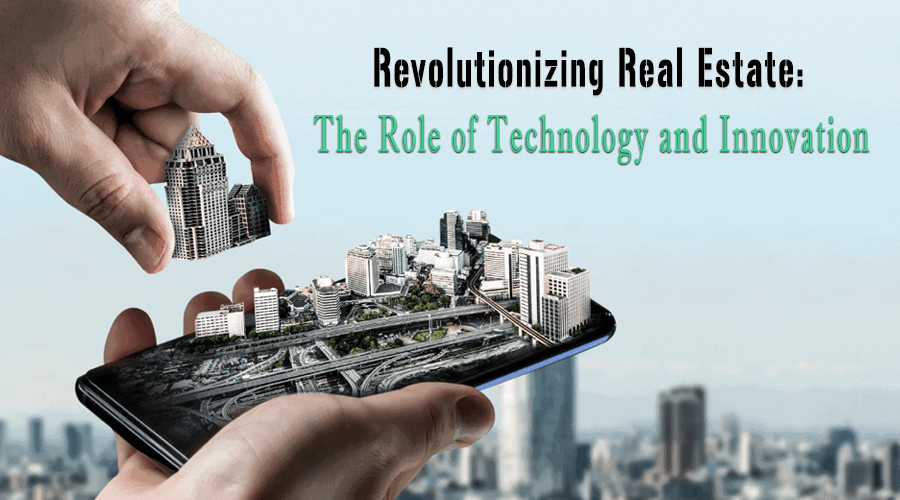
Real estate has always been a key pillar of the global economy, influencing everything from local job markets to national GDP. However, in recent years, the industry has experienced a technological revolution that is changing the way we buy, sell, rent, and manage properties. From virtual reality to artificial intelligence (AI), innovations are reshaping the way we think about real estate, creating efficiencies, improving experiences, and unlocking new opportunities.
In this blog, we’ll explore the role of technology and innovation in revolutionizing real estate, how these advancements are benefiting both investors and consumers, and what the future holds for this dynamic industry.
1. Virtual Reality (VR) and Augmented Reality (AR): A New Way to Experience Properties
For decades, house hunting involved physically touring properties, sometimes across different cities or even countries. But with the advent of Virtual Reality (VR) and Augmented Reality (AR), the way buyers and renters experience real estate has transformed.
How it works:
- Virtual Tours: VR enables potential buyers or tenants to take immersive, 360-degree virtual tours of properties from the comfort of their homes. This eliminates the need for time-consuming physical visits, especially useful in today’s fast-paced, globalized market.
- Augmented Reality: AR allows potential buyers to visualize what a space might look like with different furniture, finishes, or layouts. It superimposes digital elements onto the real world through smartphones or AR glasses, helping clients envision the potential of a property before committing.
Impact:
- Time-saving: Virtual tours make it easier to shortlist properties, saving time for both buyers and real estate agents.
- Wider audience: Sellers can showcase properties to a global audience without requiring them to travel.
- Enhanced decision-making: AR helps buyers make more informed decisions about how a space can be customized, which could influence their purchasing decisions.
2. Artificial Intelligence (AI) and Machine Learning: Smarter Investment Decisions
Artificial Intelligence (AI) is revolutionizing the real estate market by providing deeper insights and enabling smarter investment decisions. Machine learning algorithms are able to analyze vast amounts of data to predict trends, evaluate property values, and even help with pricing.
How it works:
- Predictive Analytics: AI can analyze historical market data, neighborhood trends, and economic indicators to predict property value fluctuations. This helps investors make data-driven decisions, reducing risk and optimizing returns.
- Property Valuation: AI-powered platforms can instantly estimate property values by analyzing comparable sales, historical data, and market conditions. This speeds up the buying and selling process and provides more accurate pricing.
- Personalized Recommendations: Real estate platforms use AI to suggest properties to buyers based on their search history and preferences, much like how streaming services suggest shows based on your viewing habits.
Impact:
- Faster transactions: AI accelerates the process of valuation and decision-making, enabling quicker buying and selling.
- Risk reduction: Predictive analytics helps investors identify high-potential properties while minimizing risks.
- Enhanced user experience: With personalized recommendations and instant property valuations, clients have a smoother, more tailored experience.
3. Blockchain Technology: Transparency and Security in Transactions
Blockchain technology, best known for underpinning cryptocurrencies like Bitcoin, is making waves in the real estate world by introducing greater transparency, security, and efficiency to property transactions.
How it works:
- Smart Contracts: Blockchain enables the use of smart contracts—self-executing contracts with terms directly written into code. These contracts can automate processes such as transferring ownership, reducing the need for intermediaries like lawyers and notaries.
- Decentralized Ownership: Blockchain allows for fractional ownership of properties, where investors can buy shares in real estate assets, making it easier to diversify portfolios without having to buy entire properties.
- Secure Transactions: Blockchain’s decentralized nature ensures that transactions are transparent, secure, and tamper-proof. This reduces fraud and errors in property deals, which can often be a pain point in the industry.
Impact:
- Lower transaction costs: By removing intermediaries and automating paperwork, blockchain reduces costs associated with buying and selling properties.
- Faster closings: Transactions are processed more quickly thanks to smart contracts and automation.
- Increased trust: Blockchain’s transparent and immutable ledger provides more confidence for buyers and sellers alike.
4. PropTech: Streamlining Property Management and Construction
PropTech, or property technology, refers to the application of technology to real estate operations, including management, construction, and development. This category covers a wide range of tools, from tenant management platforms to construction management software, all designed to make real estate operations more efficient.
How it works:
- Property Management Software: Tools like AppFolio or Buildium allow property managers to handle tenant applications, rent collection, maintenance requests, and accounting all in one place.
- Construction Tech: New tools and software streamline the construction process. For example, drones are now used to monitor construction sites, while 3D printing technology is being used to create buildings more quickly and affordably.
- Tenant Experience Platforms: Apps like Concierge and SmartRent allow tenants to interact with landlords, make payments, and request maintenance services digitally, improving the overall tenant experience.
Impact:
- Efficiency: PropTech reduces the time and effort needed for property management, allowing owners and operators to handle multiple properties with ease.
- Cost savings: Automating tasks like rent collection and maintenance tracking can significantly reduce operating costs.
- Better customer experience: By leveraging technology, property managers can provide tenants with faster, more responsive service, increasing tenant satisfaction and retention.
5. 3D Printing: Redefining Construction and Housing Affordability
While still emerging, 3D printing has the potential to revolutionize construction in a big way. Instead of relying on traditional construction methods, 3D printing technology can build homes and structures layer by layer, using materials like concrete, plastic, or even recycled waste.
How it works:
- Rapid Construction: 3D printers can create buildings or components in a fraction of the time it would take with traditional construction methods. This is particularly useful in areas with housing shortages or where labor is in short supply.
- Cost Reduction: 3D printing reduces material waste and labor costs, making housing more affordable. It also allows for highly customized designs, with fewer limitations on architectural complexity.
- Sustainability: 3D printing can utilize recycled materials, making it an eco-friendly alternative to traditional construction, which often generates a lot of waste.
Impact:
- Affordable housing: 3D printing offers a potential solution to the global housing crisis by drastically reducing construction costs, making it more feasible to build affordable homes.
- Faster development: The ability to construct homes quickly and efficiently can help address housing shortages, especially in areas affected by natural disasters or rapid urbanization.
- Sustainability: 3D printed homes can be designed to minimize environmental impact, both in terms of the materials used and the energy efficiency of the finished structure.
Looking Ahead: The Future of Real Estate Innovation
As technology continues to advance, the role of innovation in real estate will only grow. In the near future, we could see even more disruptive technologies, such as:
- AI-powered home assistants that help manage energy usage and maintenance tasks in smart homes.
- Blockchain-based land registries make property ownership and transfer even more transparent and secure.
- Fully automated real estate transactions, from listing to closing, reduce the need for human intervention.
Real estate is no longer just about bricks and mortar—it’s about data, connectivity, and intelligent solutions that make the entire process smoother, faster, and more transparent. For investors, developers, and consumers alike, embracing these technologies isn’t just a luxury—it’s becoming a necessity to stay competitive in an increasingly digital world.