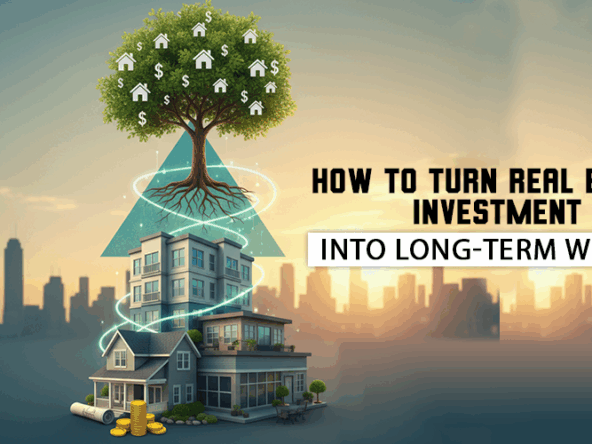

Buying your first home is one of life’s biggest milestones — exciting, empowering, and yes, a little nerve-wracking. For many, it’s the moment where dreams meet reality: finally owning a place to call your own. But between fluctuating prices, bidding wars, and mortgage jargon, the real estate market can feel like uncharted territory.
If you’re a first-time homebuyer ready to take the plunge, this guide will help you navigate the process with confidence — from saving for a down payment to closing on your dream home.
1. Understand What You Can Afford
Before you start scrolling through listings or attending open houses, take a good look at your finances. One of the biggest mistakes first-time buyers make is shopping for homes before knowing what they can realistically afford.
Start with a budget — list your monthly income, expenses, and savings goals. Then, factor in:
- A down payment (typically 3%–20% of the home price)
- Closing costs (usually 2%–5% of the purchase price)
- Monthly mortgage payments (principal, interest, taxes, and insurance)
- Ongoing costs like utilities, maintenance, and HOA fees
💡 Pro Tip: A good rule of thumb is to keep your total housing costs below 30% of your monthly income.
2. Get Pre-Approved for a Mortgage
Before you start house hunting, get pre-approved by a lender. This process involves reviewing your income, credit score, and debts to determine how much they’re willing to lend you.
A pre-approval letter:
- Helps you understand your price range
- Makes you a more attractive buyer (especially in competitive markets)
- Saves you from heartbreak by preventing you from falling for a home outside your budget
💬 Quick Tip: Compare mortgage rates from different lenders — even a small difference in interest rates can save you thousands over the life of your loan.
3. Choose the Right Real Estate Agent
A great real estate agent can make all the difference for a first-time buyer. They’re not just salespeople — they’re guides who understand the market, handle negotiations, and help you avoid costly mistakes.
Look for an agent who:
- Specializes in first-time homebuyers
- Knows the local market inside and out
- Listens to your needs and communicates clearly
A good agent will help you understand property values, spot red flags, and get the best deal possible — all while keeping the process stress-free.
4. Research the Neighborhood, Not Just the House
You’re not just buying a home — you’re buying into a community. The right neighborhood can make or break your living experience (and your investment).
Take time to research:
- Commute times to work or school
- Local amenities like parks, restaurants, and grocery stores
- School districts (even if you don’t have kids, good schools often mean higher resale value)
- Safety and future development plans in the area
Visit the neighborhood at different times of day — morning, evening, and weekends — to get a true feel for the community vibe.
5. Don’t Skip the Home Inspection
Once you find “the one” and your offer is accepted, don’t let excitement make you skip a crucial step: the home inspection.
A licensed inspector will check the property for structural issues, plumbing problems, roof damage, and more. It’s your opportunity to uncover potential headaches before you buy.
If the inspection reveals serious issues, you can:
- Negotiate repairs or credits with the seller
- Ask for a price reduction
- Or, in some cases, walk away
It’s always better to spend a few hundred dollars now than face thousands in unexpected repairs later.
6. Be Ready for Competition
In many markets, housing inventory is tight — meaning more buyers than homes for sale. This can lead to bidding wars and quick sales.
To stay competitive:
- Have your pre-approval letter ready
- Be flexible with your move-in date
- Write a strong, clean offer (with minimal contingencies)
- Stay calm — if you lose out on a house, another great one will come along
Remember: It’s not about winning the first home you bid on, but finding the right home at the right price.
7. Plan for the Hidden Costs of Homeownership
Owning a home goes beyond the mortgage. New homeowners are often surprised by additional costs that renters never worry about, like:
- Property taxes
- Home insurance
- Routine maintenance (think: lawn care, pest control, HVAC servicing)
- Repairs and upgrades
It’s wise to set aside at least 1%–2% of your home’s value each year for maintenance. That way, when something breaks — and it will — you’re prepared.
8. Don’t Let Emotions Take Over
Buying your first home is emotional — you’ll walk into places that feel “perfect” and imagine your future there. But try not to let your heart overrule your head.
Set clear financial boundaries and stick to them. A beautiful home won’t feel so perfect if it stretches your budget thin every month. Be patient and strategic — the right home will come when the timing (and price) is right.
9. Learn About First-Time Homebuyer Programs
If saving for a down payment feels daunting, good news: there are plenty of programs designed specifically for first-time buyers.
Depending on your location and income, you may qualify for:
- Down payment assistance grants
- Low-interest loans
- Reduced closing costs
- Tax credits
Ask your lender or local housing authority about available options — these programs can make homeownership far more affordable than you might think.
10. Enjoy the Process — You’re Building Your Future
It’s easy to get caught up in the stress of the home-buying process — the paperwork, the waiting, the what-ifs. But remember, this is an incredible achievement. You’re not just buying a property; you’re investing in your future, your independence, and your stability.
Take the time to celebrate each milestone — your pre-approval, your first offer, your closing day. Every step gets you closer to the moment when you hold your new keys and step into a space that’s truly yours.